Exploring the Synergy between Internet of Things Technology and Options Trading
Category : | Sub Category : Posted on 2023-10-30 21:24:53
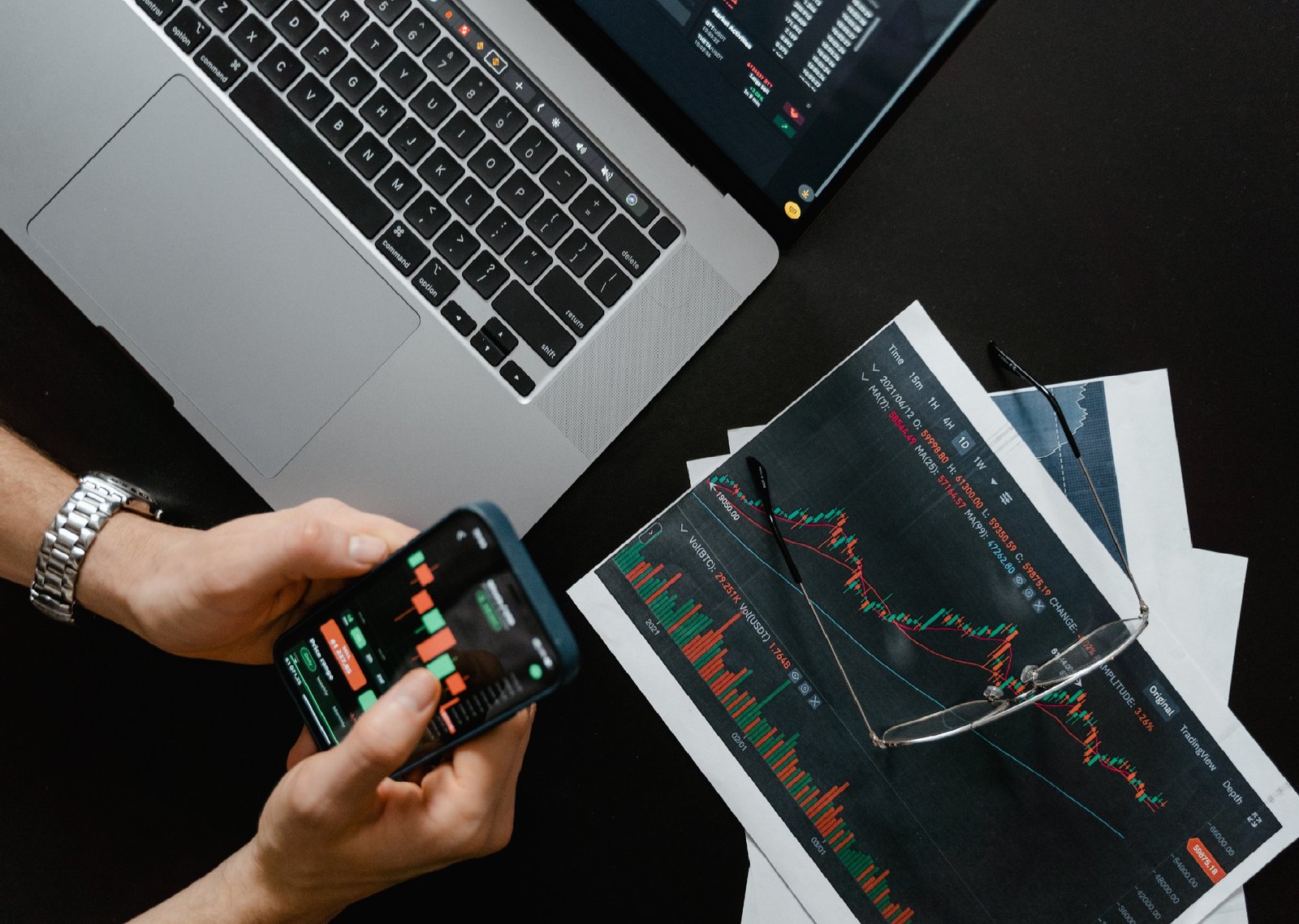
Introduction The Internet of Things (IoT) technology and the world of options trading may seem like unrelated concepts at first glance, but a closer look reveals the vast potential for synergy between these two domains. In this blog post, we will delve into the options Greeks, a crucial aspect of options trading, and explore how IoT technology can enhance the way traders analyze and make decisions in the market. Understanding Options Greeks Before we explore the integration of IoT technology into options trading, it's important to grasp the concept of options Greeks. The options Greeks are a set of risk measures that help traders assess the sensitivity of their options positions to various factors. These measures include Delta, Gamma, Theta, Vega, and Rho, each serving a distinct purpose in options analysis. 1. Delta: Delta measures the rate of change of an option's price relative to the price of the underlying asset. It indicates how much an option's value is expected to change for a one-point movement in the underlying asset. 2. Gamma: Gamma describes the rate of change of Delta. It helps traders assess the potential changes in an option's Delta as the price of the underlying asset fluctuates. 3. Theta: Theta represents the rate at which an option's value declines with the passage of time. It measures the time decay component of an option's price. 4. Vega: Vega quantifies the sensitivity of an option's price to changes in implied volatility. It is particularly important for traders who speculate on volatility changes. 5. Rho: Rho measures the sensitivity of an option's price to changes in interest rates. Integration of IoT Technology in Options Trading IoT technology, with its ability to gather, transmit, and analyze vast amounts of data in real time, can be a game-changer in the world of options trading. Here are a few ways in which IoT technology can augment the analysis and decision-making process: 1. Real-Time Market Data: IoT devices can be employed to track and gather real-time market data, including asset prices, news releases, and economic indicators. This continuous influx of data enables traders to make better-informed decisions based on the most up-to-date information. 2. Automated Trade Execution: IoT technology can be integrated with trading platforms to automate the execution of trades based on predefined rules and criteria. This eradicates human error and ensures swift execution, particularly when implementing complex options strategies. 3. Risk Management: With IoT technology, traders can monitor and manage risk in real time. By integrating sensors and data analytics, traders can receive instant alerts on potential risk exposures and take proactive measures to mitigate them. 4. Predictive Analytics: IoT devices can be utilized to collect granular data on market trends, customer behavior, and other relevant factors. Applying advanced analytics techniques to this data can help traders generate predictive models and make more accurate forecasts, improving their options trading strategies. Conclusion The integration of IoT technology into options trading has immense potential to revolutionize the way traders analyze the markets and make investment decisions. By leveraging IoT's real-time data, automation capabilities, and predictive analytics, traders can gain a competitive edge in an increasingly complex and fast-paced trading environment. As technology continues to advance, the synergy between IoT and options trading is set to unlock new opportunities and enhance profitability in the financial markets.
Leave a Comment:
SEARCH
Recent News
- Zurich, Switzerland and Vancouver, Canada are two vibrant cities with distinct characteristics that make them stand out in their respective regions. While Zurich is known for its financial prowess and high quality of life, Vancouver is a bustling hub of business and innovation on the west coast of Canada. Let's take a closer look at how these two cities compare in terms of their business environments.
- Located in the heart of Switzerland, Zurich is known for its stunning natural beauty, bustling city life, and thriving business environment. The city attracts businesses from all over the world, thanks to its robust infrastructure, highly skilled workforce, and favorable economic policies. For UK businesses looking to expand or set up operations in Zurich, there are a number of government business support programs available to help navigate the process.
- Zurich, Switzerland and Tokyo, Japan are two dynamic cities with thriving business scenes. Both cities are prominent global financial centers and are known for their innovation, economic stability, and high quality of life. In this blog post, we will explore the unique business environments in Zurich and Tokyo and compare the two cities in terms of business opportunities, infrastructure, and work culture.
- Zurich, Switzerland and Sydney, Australia are two vibrant business hubs that offer unique experiences for entrepreneurs and professionals alike. From finance and banking to tech startups and creative industries, both cities have established themselves as key players in the global business landscape. Let's take a closer look at what makes Zurich and Sydney standout in the business world.
- Zurich, Switzerland, is a vibrant city known for its scenic beauty, rich history, and thriving business environment. One interesting aspect of Zurich's business landscape is the presence of Sudanese entrepreneurs who have made their mark in various industries in the city.
- Zurich, Switzerland is known for its vibrant small business community, with entrepreneurs driving innovation and growth in various industries. However, starting or expanding a small business often requires financial support in the form of small business loans. These loans can provide the necessary capital for businesses to invest in equipment, hire employees, expand operations, or launch new products or services.
- Zurich, Switzerland is a picturesque city known for its beautiful architecture, vibrant cultural scene, and high quality of life. On the other hand, Shanghai, China is a bustling metropolis that serves as a major financial and business hub in Asia. Let's explore how these two cities compare in terms of business opportunities and what makes them unique in their own ways.
- Zurich, Switzerland and Quebec, Canada are two distinct regions with unique business environments. Let's delve into the differences and similarities when it comes to conducting business in these two locations.
READ MORE
6 months ago Category :

Zurich, Switzerland and Vancouver, Canada are two vibrant cities with distinct characteristics that make them stand out in their respective regions. While Zurich is known for its financial prowess and high quality of life, Vancouver is a bustling hub of business and innovation on the west coast of Canada. Let's take a closer look at how these two cities compare in terms of their business environments.
Read More →6 months ago Category :

Located in the heart of Switzerland, Zurich is known for its stunning natural beauty, bustling city life, and thriving business environment. The city attracts businesses from all over the world, thanks to its robust infrastructure, highly skilled workforce, and favorable economic policies. For UK businesses looking to expand or set up operations in Zurich, there are a number of government business support programs available to help navigate the process.
Read More →6 months ago Category :

Zurich, Switzerland and Tokyo, Japan are two dynamic cities with thriving business scenes. Both cities are prominent global financial centers and are known for their innovation, economic stability, and high quality of life. In this blog post, we will explore the unique business environments in Zurich and Tokyo and compare the two cities in terms of business opportunities, infrastructure, and work culture.
Read More →6 months ago Category :
