Exploring the Intersection of IoT Technology and Option Trading Risk Management
Category : | Sub Category : Posted on 2023-10-30 21:24:53
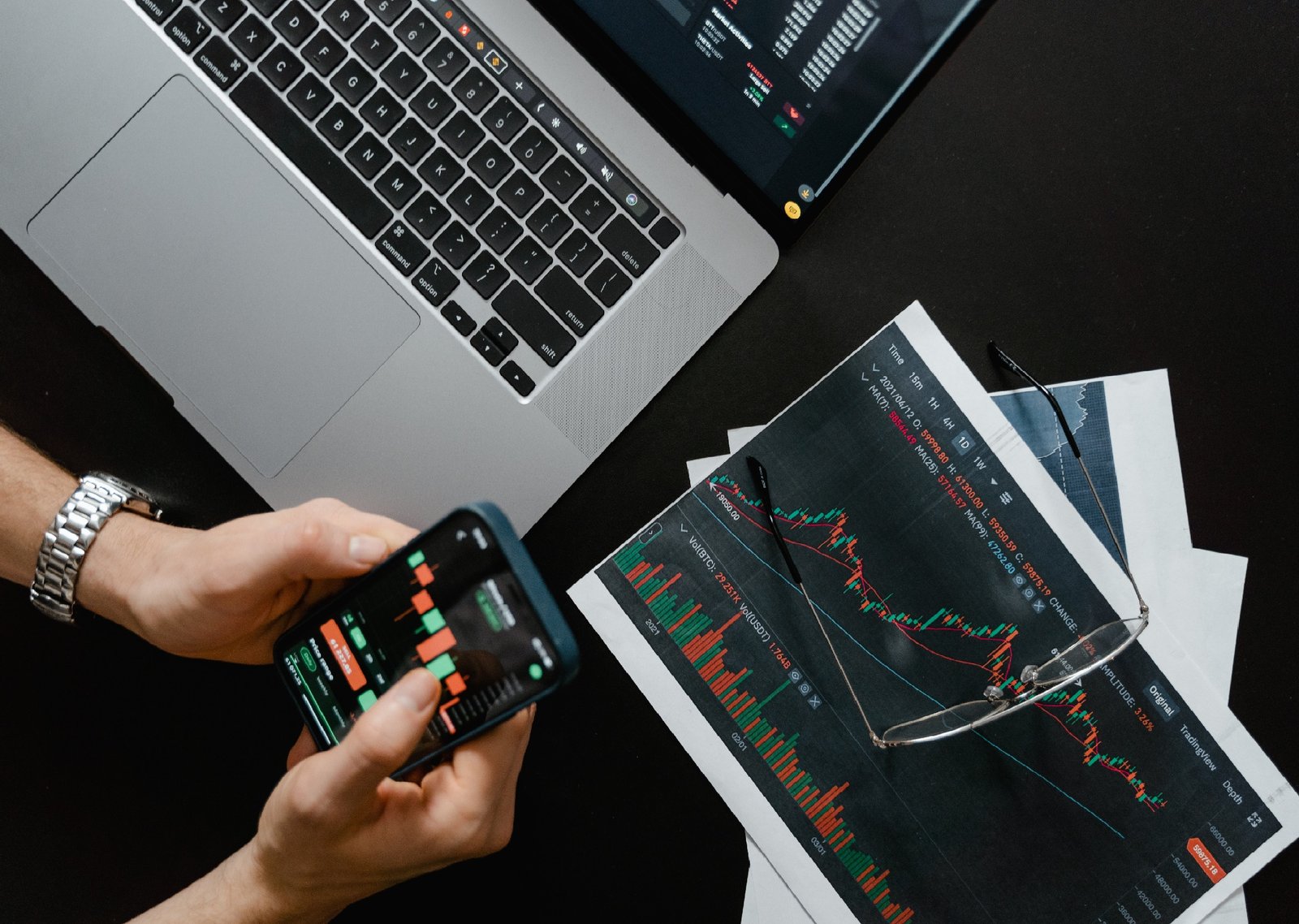
Introduction: The world of finance is constantly evolving, and with the advent of technology, new opportunities and challenges arise. One such innovation is the Internet of Things (IoT) technology, which has the potential to revolutionize option trading risk management. In this blog post, we will delve into the exciting possibilities that arise at the intersection of IoT and option trading risk management, understanding how this technology can enhance decision-making processes and foster greater efficiency in the trading world. Understanding IoT Technology: Before exploring how IoT can transform option trading risk management, let's first understand what IoT is. In simple terms, IoT is a network of interconnected physical devices embedded with sensors, software, and other technologies that enable them to transmit and receive data. These devices can range from everyday objects like smartwatches and home appliances to complex industrial machinery and vehicles. Enhancing Data Collection and Analysis: One of the primary advantages that IoT technology brings to option trading risk management is the ability to collect and analyze real-time data from various sources. Traditionally, risk management relied heavily on historical data and manual processes, which were time-consuming and prone to human error. However, with IoT, sensors implanted in trading floors, exchanges, and financial institutions can capture data on market movements, trading volumes, liquidity, and more with unmatched precision and speed. This real-time data can then be analyzed using advanced algorithms and artificial intelligence (AI) tools to identify patterns, correlations, and potential risks. Improved Monitoring and Surveillance: Effective risk management requires constant monitoring and surveillance of market conditions and trading activities. IoT enables a seamless and continuous flow of information, enabling traders to monitor their positions, market trends, and risk exposures in real-time. Sensors can be installed in trading terminals, servers, and even on trading desks to detect any abnormalities or suspicious activities. This proactive surveillance can help in identifying potential risks before they escalate, allowing traders to take timely corrective actions to mitigate losses. Smart Contracts and Automation: Another area where IoT can revolutionize option trading risk management is through the use of smart contracts and automation. Smart contracts are self-executing contracts with predefined rules written into code. When conditions are met, such as triggering certain market events or price movements, these contracts automatically execute predefined actions. IoT devices can trigger these smart contracts based on real-time data feeds, eliminating the need for manual interventions. For instance, if an option reaches a certain predetermined price level, the smart contract can automatically execute the trade or hedge, reducing the risk exposure to the trader. Enhanced Decision-making Processes: IoT technology, combined with advanced analytics and AI tools, can enhance decision-making processes in option trading risk management. Real-time data and predictive analytics enable traders to make informed decisions based on accurate and up-to-date information. This can help in identifying potential risks, predicting market movements, and optimizing risk-reward ratios. With IoT, option traders can gain a competitive edge by leveraging data-driven insights to make more profitable decisions. Challenges and Considerations: While the potential benefits of integrating IoT technology into option trading risk management are vast, there are also challenges and considerations to address. These include ensuring data security and privacy, managing the vast amount of data generated by IoT devices, and adapting existing systems and processes to incorporate IoT seamlessly. Additionally, regulators and policy frameworks must keep pace with the evolving technology landscape to provide a robust framework for risk management in the IoT era. Conclusion: The intersection of IoT technology and option trading risk management holds tremendous promise for the finance industry. By leveraging real-time data, smart contracts, and automation, traders can enhance their risk management strategies and make more profitable decisions. However, it is crucial to address challenges and establish robust frameworks to harness the full potential of IoT technology in the option trading landscape. As this technology continues to evolve, we can expect innovative solutions that empower traders with greater agility, efficiency, and profitability.
Leave a Comment:
SEARCH
Recent News
- Zurich, Switzerland and Vancouver, Canada are two vibrant cities with distinct characteristics that make them stand out in their respective regions. While Zurich is known for its financial prowess and high quality of life, Vancouver is a bustling hub of business and innovation on the west coast of Canada. Let's take a closer look at how these two cities compare in terms of their business environments.
- Located in the heart of Switzerland, Zurich is known for its stunning natural beauty, bustling city life, and thriving business environment. The city attracts businesses from all over the world, thanks to its robust infrastructure, highly skilled workforce, and favorable economic policies. For UK businesses looking to expand or set up operations in Zurich, there are a number of government business support programs available to help navigate the process.
- Zurich, Switzerland and Tokyo, Japan are two dynamic cities with thriving business scenes. Both cities are prominent global financial centers and are known for their innovation, economic stability, and high quality of life. In this blog post, we will explore the unique business environments in Zurich and Tokyo and compare the two cities in terms of business opportunities, infrastructure, and work culture.
- Zurich, Switzerland and Sydney, Australia are two vibrant business hubs that offer unique experiences for entrepreneurs and professionals alike. From finance and banking to tech startups and creative industries, both cities have established themselves as key players in the global business landscape. Let's take a closer look at what makes Zurich and Sydney standout in the business world.
- Zurich, Switzerland, is a vibrant city known for its scenic beauty, rich history, and thriving business environment. One interesting aspect of Zurich's business landscape is the presence of Sudanese entrepreneurs who have made their mark in various industries in the city.
- Zurich, Switzerland is known for its vibrant small business community, with entrepreneurs driving innovation and growth in various industries. However, starting or expanding a small business often requires financial support in the form of small business loans. These loans can provide the necessary capital for businesses to invest in equipment, hire employees, expand operations, or launch new products or services.
- Zurich, Switzerland is a picturesque city known for its beautiful architecture, vibrant cultural scene, and high quality of life. On the other hand, Shanghai, China is a bustling metropolis that serves as a major financial and business hub in Asia. Let's explore how these two cities compare in terms of business opportunities and what makes them unique in their own ways.
- Zurich, Switzerland and Quebec, Canada are two distinct regions with unique business environments. Let's delve into the differences and similarities when it comes to conducting business in these two locations.
READ MORE
6 months ago Category :

Zurich, Switzerland and Vancouver, Canada are two vibrant cities with distinct characteristics that make them stand out in their respective regions. While Zurich is known for its financial prowess and high quality of life, Vancouver is a bustling hub of business and innovation on the west coast of Canada. Let's take a closer look at how these two cities compare in terms of their business environments.
Read More →6 months ago Category :

Located in the heart of Switzerland, Zurich is known for its stunning natural beauty, bustling city life, and thriving business environment. The city attracts businesses from all over the world, thanks to its robust infrastructure, highly skilled workforce, and favorable economic policies. For UK businesses looking to expand or set up operations in Zurich, there are a number of government business support programs available to help navigate the process.
Read More →6 months ago Category :

Zurich, Switzerland and Tokyo, Japan are two dynamic cities with thriving business scenes. Both cities are prominent global financial centers and are known for their innovation, economic stability, and high quality of life. In this blog post, we will explore the unique business environments in Zurich and Tokyo and compare the two cities in terms of business opportunities, infrastructure, and work culture.
Read More →6 months ago Category :
