Embracing Industrial Robotics in Volatility Trading
Category : | Sub Category : Posted on 2023-10-30 21:24:53
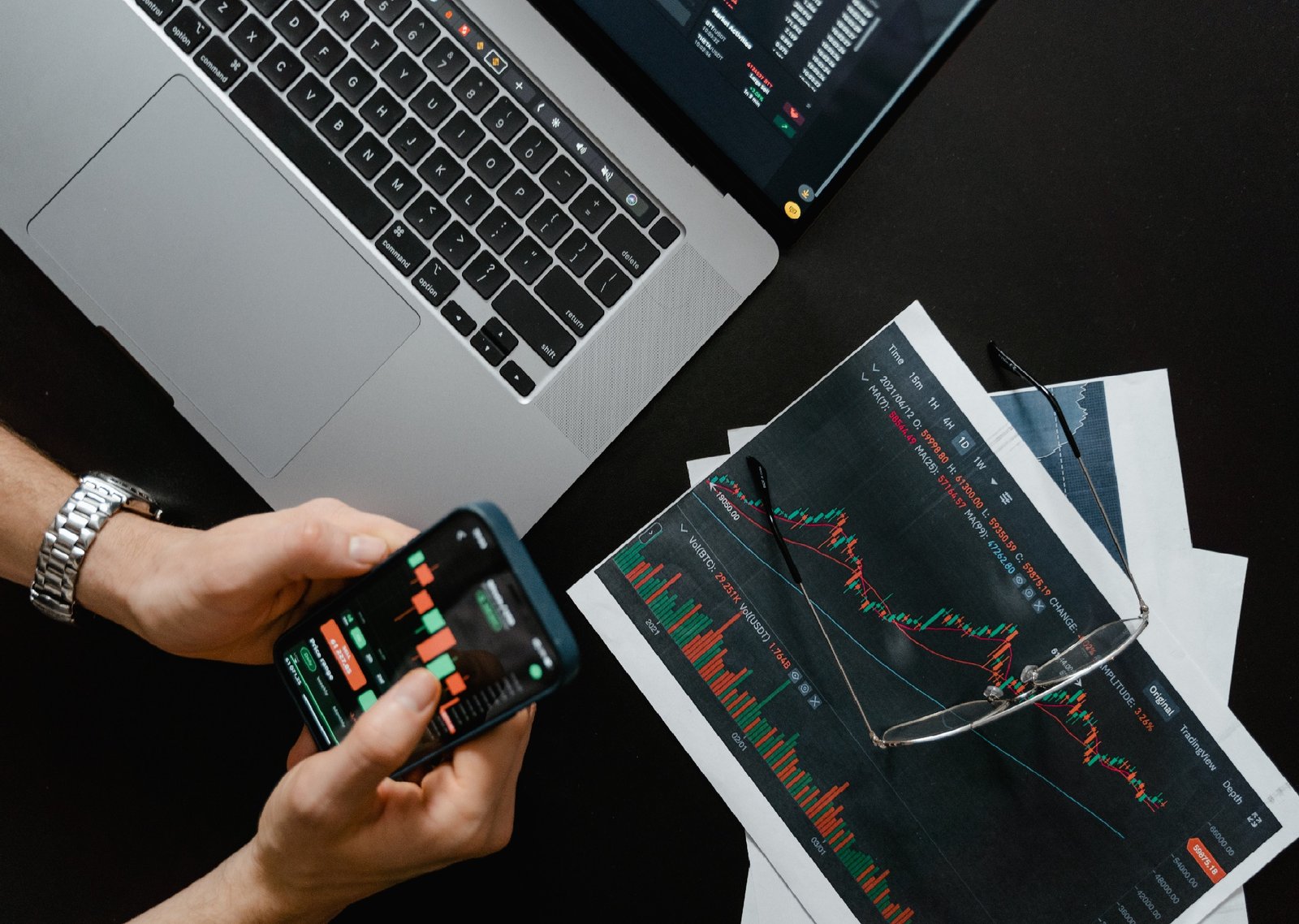
Introduction: In today's fast-paced and highly competitive financial markets, traders are constantly seeking innovative ways to gain an edge over their competitors. One such approach that has gained significant traction in recent years is the utilization of industrial robotics in volatility trading. This cutting-edge technology offers traders an unprecedented level of speed, accuracy, and efficiency, revolutionizing the way they navigate market fluctuations. In this blog post, we will explore the integration of industrial robotics in volatility trading and the immense opportunities it presents. Understanding Industrial Robotics: Industrial robotics refers to the use of robotic systems in industrial production processes. These robots are designed to automate and streamline repetitive tasks traditionally performed by humans. They are equipped with advanced features such as sensing, machine learning, and artificial intelligence algorithms, enabling them to adapt to dynamic environments and make real-time decisions. In the context of volatility trading, industrial robotics can be leveraged to analyze market data, identify patterns, and execute trades with incredible precision and speed. The Benefits of Industrial Robotics in Volatility Trading: 1. Increased Speed and Efficiency: Volatility trading requires lightning-fast decision-making to capitalize on market fluctuations. Industrial robots can analyze vast amounts of data within milliseconds, allowing traders to identify opportunities and execute trades instantaneously. This speed and efficiency give traders a significant advantage, as they can react to market changes at an unprecedented level. 2. Enhanced Accuracy: Emotions and human biases can often cloud rational decision-making in trading. By leveraging industrial robotics, traders can eliminate these factors and rely on data-driven strategies. Robots operate based on pre-defined algorithms, ensuring consistent and accurate execution. This reduces the potential for human error and improves overall trading performance. 3. Nonstop Monitoring: The financial markets operate globally and around the clock. Constant monitoring is crucial to capitalize on volatility, irrespective of time zones. Industrial robots can tirelessly track market conditions and execute trades 24/7, providing traders with round-the-clock opportunities. 4. Adaptability to Changing Market Conditions: Markets can be unpredictable, with volatility fluctuating rapidly. Industrial robots are designed to adapt to changing market dynamics and make decisions accordingly. By constantly analyzing incoming data, these robots can adjust trading strategies in real-time, maximizing profit potential in dynamic market conditions. 5. Improved Risk Management: Volatility trading carries inherent risks, and effective risk management is essential to success. Industrial robotics can optimize risk management by incorporating advanced algorithms that monitor exposure and automatically adjust position sizing and stop-loss orders. This ensures traders operate within predetermined risk limits and minimizes potential losses. Conclusion: Industrial robotics represents the future of volatility trading, offering traders unparalleled speed, accuracy, and adaptability. By integrating this advanced technology into their trading strategies, market participants can navigate the complexities of volatile markets with ease. Embracing industrial robotics in volatility trading provides an opportunity to stay ahead of the competition and capitalize on ever-changing market conditions. As technology continues to evolve, traders who adopt these innovations will likely reap the rewards of increased profitability and improved risk management. To gain a holistic understanding, refer to http://www.pxrobotics.com
Leave a Comment:
SEARCH
Recent News
- Zurich, Switzerland and Vancouver, Canada are two vibrant cities with distinct characteristics that make them stand out in their respective regions. While Zurich is known for its financial prowess and high quality of life, Vancouver is a bustling hub of business and innovation on the west coast of Canada. Let's take a closer look at how these two cities compare in terms of their business environments.
- Located in the heart of Switzerland, Zurich is known for its stunning natural beauty, bustling city life, and thriving business environment. The city attracts businesses from all over the world, thanks to its robust infrastructure, highly skilled workforce, and favorable economic policies. For UK businesses looking to expand or set up operations in Zurich, there are a number of government business support programs available to help navigate the process.
- Zurich, Switzerland and Tokyo, Japan are two dynamic cities with thriving business scenes. Both cities are prominent global financial centers and are known for their innovation, economic stability, and high quality of life. In this blog post, we will explore the unique business environments in Zurich and Tokyo and compare the two cities in terms of business opportunities, infrastructure, and work culture.
- Zurich, Switzerland and Sydney, Australia are two vibrant business hubs that offer unique experiences for entrepreneurs and professionals alike. From finance and banking to tech startups and creative industries, both cities have established themselves as key players in the global business landscape. Let's take a closer look at what makes Zurich and Sydney standout in the business world.
- Zurich, Switzerland, is a vibrant city known for its scenic beauty, rich history, and thriving business environment. One interesting aspect of Zurich's business landscape is the presence of Sudanese entrepreneurs who have made their mark in various industries in the city.
- Zurich, Switzerland is known for its vibrant small business community, with entrepreneurs driving innovation and growth in various industries. However, starting or expanding a small business often requires financial support in the form of small business loans. These loans can provide the necessary capital for businesses to invest in equipment, hire employees, expand operations, or launch new products or services.
- Zurich, Switzerland is a picturesque city known for its beautiful architecture, vibrant cultural scene, and high quality of life. On the other hand, Shanghai, China is a bustling metropolis that serves as a major financial and business hub in Asia. Let's explore how these two cities compare in terms of business opportunities and what makes them unique in their own ways.
- Zurich, Switzerland and Quebec, Canada are two distinct regions with unique business environments. Let's delve into the differences and similarities when it comes to conducting business in these two locations.
READ MORE
8 months ago Category :

Zurich, Switzerland and Vancouver, Canada are two vibrant cities with distinct characteristics that make them stand out in their respective regions. While Zurich is known for its financial prowess and high quality of life, Vancouver is a bustling hub of business and innovation on the west coast of Canada. Let's take a closer look at how these two cities compare in terms of their business environments.
Read More →8 months ago Category :

Located in the heart of Switzerland, Zurich is known for its stunning natural beauty, bustling city life, and thriving business environment. The city attracts businesses from all over the world, thanks to its robust infrastructure, highly skilled workforce, and favorable economic policies. For UK businesses looking to expand or set up operations in Zurich, there are a number of government business support programs available to help navigate the process.
Read More →8 months ago Category :

Zurich, Switzerland and Tokyo, Japan are two dynamic cities with thriving business scenes. Both cities are prominent global financial centers and are known for their innovation, economic stability, and high quality of life. In this blog post, we will explore the unique business environments in Zurich and Tokyo and compare the two cities in terms of business opportunities, infrastructure, and work culture.
Read More →8 months ago Category :
