Industrial Automation in Put and Call Option Trading: Revolutionizing the Financial Markets
Category : | Sub Category : Posted on 2023-10-30 21:24:53
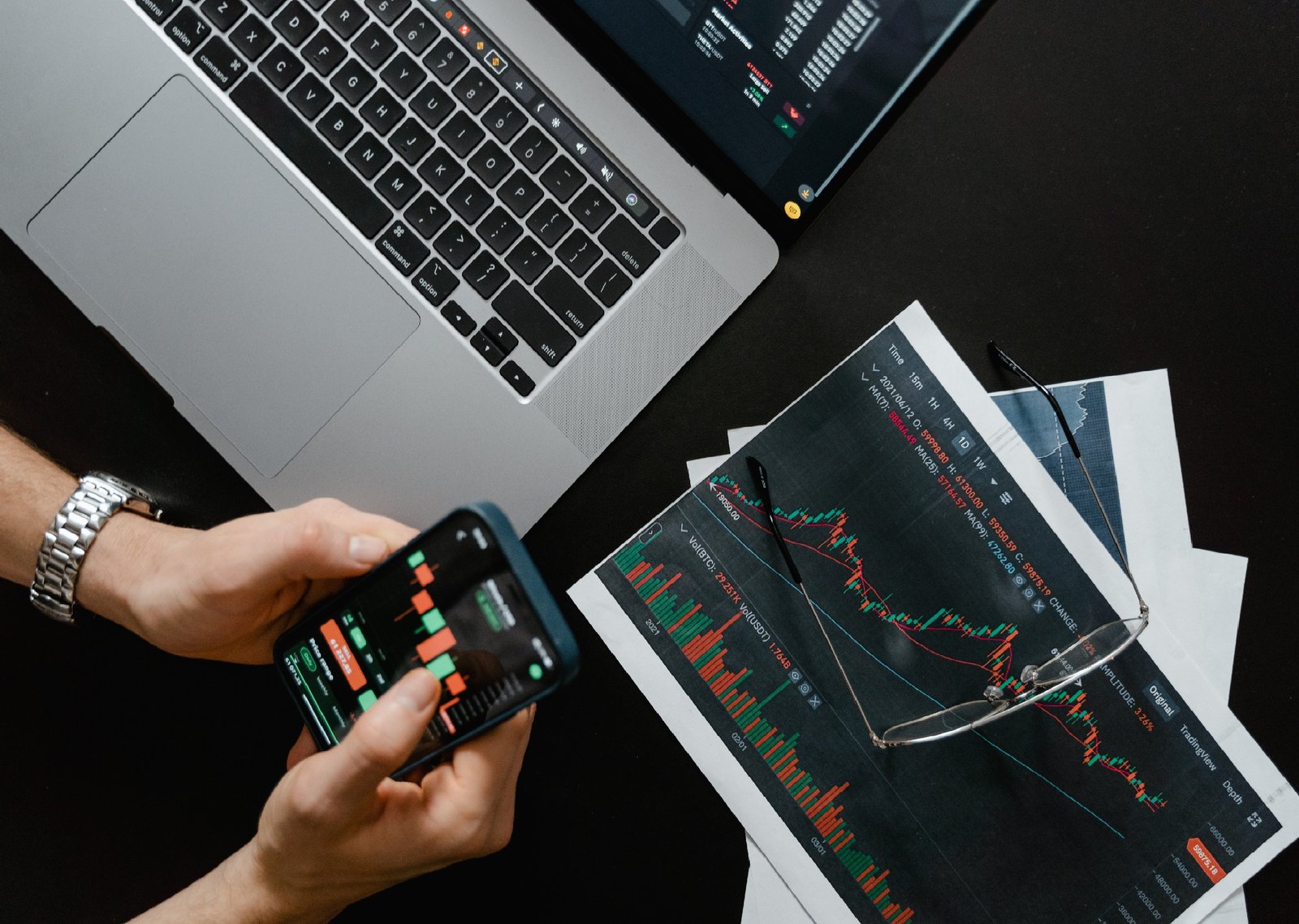
Introduction In today's fast-paced financial markets, every millisecond counts. Accuracy, efficiency, and speed can make or break a trade. That's where industrial automation comes into playtransforming the world of put and call option trading. This article dives into the fascinating intersection of industrial automation and option trading and explores how this innovative technology is revolutionizing the financial industry. What are Put and Call Options? Put and call options are derivatives that provide investors with the right, but not the obligation, to buy (call option) or sell (put option) an underlying asset at a predetermined price within a specified period. These financial instruments allow traders to profit from the price movements of various assets, including stocks, commodities, or currencies. The Role of Automation in Option Trading Automation has been gradually integrated into various industries, and the financial sector is no exception. With the rise of high-frequency trading (HFT) and algorithmic trading, industrial automation has become a game-changer in option trading. Here's how it's transforming the field: 1. Speed and Efficiency: Automation eliminates the limitations of human response times, enabling trades to be executed in a matter of microseconds. Complex algorithms swiftly analyze vast amounts of data, instantly identifying profitable opportunities and executing trades faster than the blink of an eye. As a result, industrial automation significantly reduces the impact of human error while maximizing efficiency. 2. Risk Management: Option trading involves substantial risks, but automation minimizes the margin for error. Advanced risk management algorithms can monitor market conditions, track positions, and implement stop-loss orders, ensuring that trades are executed according to predetermined parameters. By closely monitoring market volatility and automatically adjusting trade positions, automation mitigates risks to optimize overall portfolio performance. 3. Data Analysis and Decision-Making: Big data plays a crucial role in option trading, providing valuable insights into market trends and price predictions. Automation systems can process enormous volumes of data in real-time, capturing and analyzing market indicators, news releases, and algorithmic patterns. By leveraging this wealth of information, automated systems make data-driven decisions, enhancing the accuracy and profitability of trades. 4. Rule-Based Trading Strategies: Automation allows traders to develop rule-based trading strategies, eliminating emotional bias and subjective decision-making. By setting specific parameters, such as technical indicators, price targets, and risk levels, automated systems execute trades based on predefined rules. This disciplined approach minimizes the impact of emotions and irrational behavior, enhancing consistency and streamlining the trading process. Challenges and Considerations While industrial automation brings significant advantages to option trading, it is essential to be aware of potential challenges and considerations: 1. Technological Infrastructure: Implementing automation in option trading requires robust technological infrastructure. Low-latency networks, high-end servers, and reliable connectivity are essential to ensure fast and seamless execution. Traders must invest in state-of-the-art systems to take full advantage of industrial automation. 2. Regulatory Environment: The rapid growth of automation in the financial industry has attracted regulatory scrutiny. Trading algorithms must comply with regulatory standards to maintain market integrity and stability. Clear guidelines and oversight are necessary to prevent manipulation and ensure fair practices in automated option trading. 3. Human Oversight: While automation offers speed and accuracy, human oversight remains critical. Traders must monitor automated systems, periodically reviewing and adjusting parameters to ensure they align with changing market conditions. Human intervention can prevent catastrophic losses in volatile market environments that algorithms may struggle to adapt to. Conclusion Industrial automation has infiltrated every corner of our lives, and the financial industry is no exception. In the world of put and call option trading, automation has revolutionized the landscape, introducing unprecedented speed, efficiency, and accuracy. With advanced algorithms, risk management capabilities, and data-driven decision-making, automated systems are transforming the way trades are executed and optimizing portfolio performance. As the financial industry continues to evolve, the integration of industrial automation remains a driving force in shaping the future of option trading.
Leave a Comment:
SEARCH
Recent News
- Zurich, Switzerland and Vancouver, Canada are two vibrant cities with distinct characteristics that make them stand out in their respective regions. While Zurich is known for its financial prowess and high quality of life, Vancouver is a bustling hub of business and innovation on the west coast of Canada. Let's take a closer look at how these two cities compare in terms of their business environments.
- Located in the heart of Switzerland, Zurich is known for its stunning natural beauty, bustling city life, and thriving business environment. The city attracts businesses from all over the world, thanks to its robust infrastructure, highly skilled workforce, and favorable economic policies. For UK businesses looking to expand or set up operations in Zurich, there are a number of government business support programs available to help navigate the process.
- Zurich, Switzerland and Tokyo, Japan are two dynamic cities with thriving business scenes. Both cities are prominent global financial centers and are known for their innovation, economic stability, and high quality of life. In this blog post, we will explore the unique business environments in Zurich and Tokyo and compare the two cities in terms of business opportunities, infrastructure, and work culture.
- Zurich, Switzerland and Sydney, Australia are two vibrant business hubs that offer unique experiences for entrepreneurs and professionals alike. From finance and banking to tech startups and creative industries, both cities have established themselves as key players in the global business landscape. Let's take a closer look at what makes Zurich and Sydney standout in the business world.
- Zurich, Switzerland, is a vibrant city known for its scenic beauty, rich history, and thriving business environment. One interesting aspect of Zurich's business landscape is the presence of Sudanese entrepreneurs who have made their mark in various industries in the city.
- Zurich, Switzerland is known for its vibrant small business community, with entrepreneurs driving innovation and growth in various industries. However, starting or expanding a small business often requires financial support in the form of small business loans. These loans can provide the necessary capital for businesses to invest in equipment, hire employees, expand operations, or launch new products or services.
- Zurich, Switzerland is a picturesque city known for its beautiful architecture, vibrant cultural scene, and high quality of life. On the other hand, Shanghai, China is a bustling metropolis that serves as a major financial and business hub in Asia. Let's explore how these two cities compare in terms of business opportunities and what makes them unique in their own ways.
- Zurich, Switzerland and Quebec, Canada are two distinct regions with unique business environments. Let's delve into the differences and similarities when it comes to conducting business in these two locations.
READ MORE
6 months ago Category :

Zurich, Switzerland and Vancouver, Canada are two vibrant cities with distinct characteristics that make them stand out in their respective regions. While Zurich is known for its financial prowess and high quality of life, Vancouver is a bustling hub of business and innovation on the west coast of Canada. Let's take a closer look at how these two cities compare in terms of their business environments.
Read More →6 months ago Category :

Located in the heart of Switzerland, Zurich is known for its stunning natural beauty, bustling city life, and thriving business environment. The city attracts businesses from all over the world, thanks to its robust infrastructure, highly skilled workforce, and favorable economic policies. For UK businesses looking to expand or set up operations in Zurich, there are a number of government business support programs available to help navigate the process.
Read More →6 months ago Category :

Zurich, Switzerland and Tokyo, Japan are two dynamic cities with thriving business scenes. Both cities are prominent global financial centers and are known for their innovation, economic stability, and high quality of life. In this blog post, we will explore the unique business environments in Zurich and Tokyo and compare the two cities in terms of business opportunities, infrastructure, and work culture.
Read More →6 months ago Category :
