Leveraging Industrial Automation in Stock Market Analysis and Option Trading
Category : | Sub Category : Posted on 2023-10-30 21:24:53
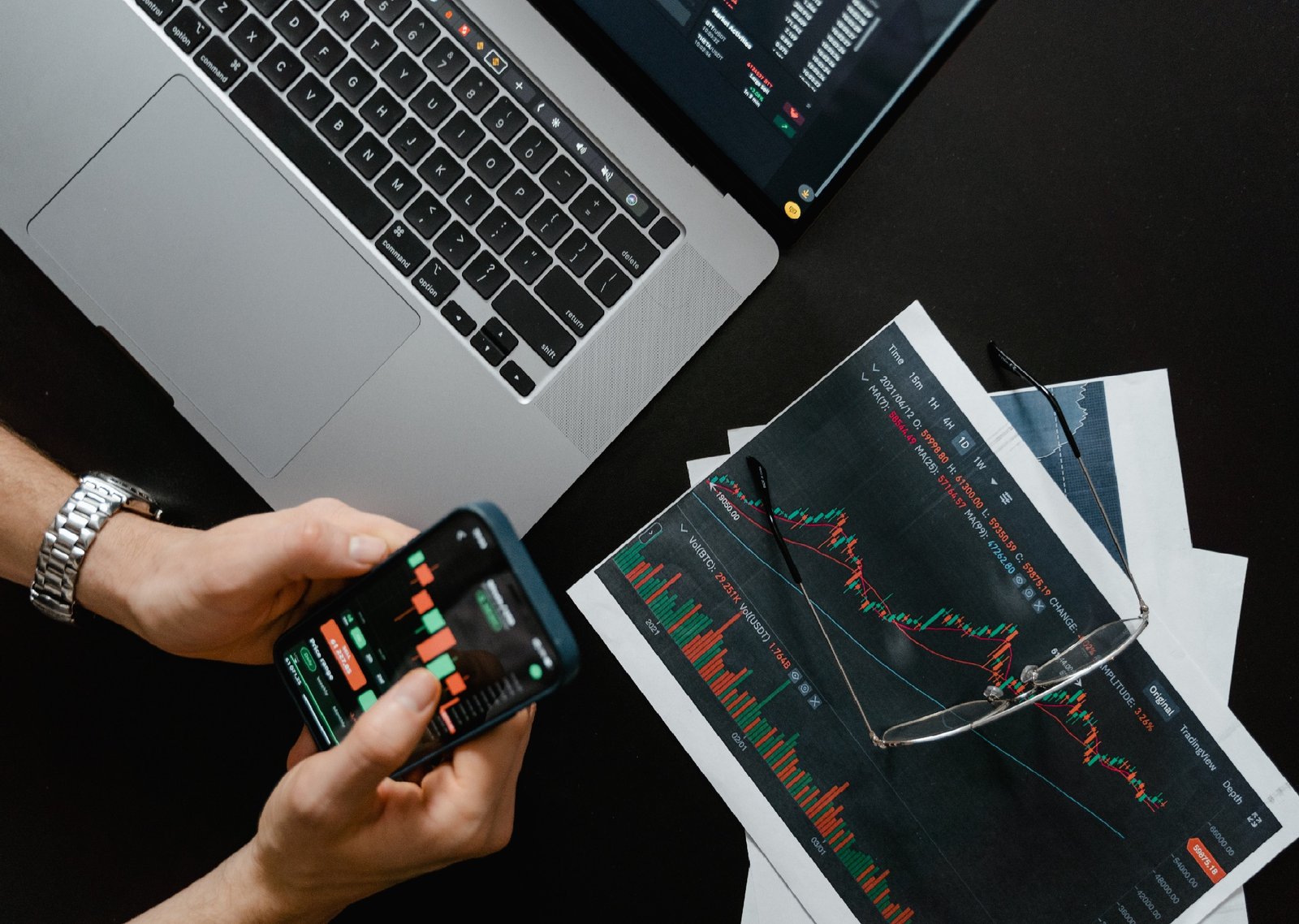
Introduction: In today's rapidly evolving financial landscape, investors and traders are constantly seeking innovative tools and strategies to gain a competitive edge in the stock market. One such emerging tool is industrial automation, which can revolutionize stock market analysis and option trading. In this blog post, we will explore how industrial automation can enhance decision-making processes, improve accuracy, and ultimately increase the chances of success in option trading within the stock market. 1. Streamlining Data Collection and Analysis: Industrial automation systems are designed to automate various tasks, including data collection and analysis. In the context of stock market analysis, this means efficiently gathering relevant financial data and extracting valuable insights from it. By automating these processes, traders can save time and eliminate human errors that may arise from manual data handling. This streamlining of data collection also enables traders to analyze larger volumes of data quickly, allowing for more informed decision-making. 2. Smart Algorithms and Machine Learning: Industrial automation also leverages smart algorithms and machine learning to identify patterns and trends in the stock market. These algorithms can analyze vast amounts of historical data, identify correlations, and predict future market movements accurately. By incorporating machine learning into option trading strategies, traders can effectively automate the decision-making process, reduce human bias, and improve overall performance. 3. Real-time Market Monitoring: Industrial automation tools can continuously monitor the stock market in real-time, detecting market changes and events that might impact option trading strategies. With the ability to react promptly to market shifts, traders using automation can capitalize on opportunities and mitigate potential risks more effectively. Real-time monitoring also enables traders to adjust their positions and execute trades promptly, increasing the chances of maximizing profits and minimizing losses. 4. Risk Management and Backtesting: One critical aspect of option trading is risk management. Industrial automation systems can help traders implement robust risk management strategies by regularly assessing the market conditions and adjusting positions accordingly. Additionally, automation allows trades to be backtested, simulating the performance of the trading strategies based on historical data. Through backtesting, traders can optimize their strategies and identify potential weaknesses or pitfalls before implementing them in live trading scenarios. 5. Enhanced Execution Speed and Efficiency: Automation in option trading can significantly improve execution speed and efficiency. By eliminating manual tasks such as order placement and trade execution, traders can capitalize on market opportunities promptly. Moreover, automated systems can execute trades with precision, eliminating the possibility of human error or delays. This enhanced execution speed can be especially beneficial in volatile market conditions or during major news events, where split-second decisions can make a difference in profitability. Conclusion: As the stock market becomes increasingly complex and volatile, incorporating industrial automation into stock market analysis and option trading provides traders with a competitive advantage. The ability to streamline data collection, leverage smart algorithms, monitor markets in real-time, and optimize risk management strategies empowers traders to make more informed decisions and execute them efficiently. By embracing industrial automation, traders can enhance their overall trading performance and increase their chances of success in today's dynamic stock market.
Leave a Comment:
SEARCH
Recent News
- Zurich, Switzerland and Vancouver, Canada are two vibrant cities with distinct characteristics that make them stand out in their respective regions. While Zurich is known for its financial prowess and high quality of life, Vancouver is a bustling hub of business and innovation on the west coast of Canada. Let's take a closer look at how these two cities compare in terms of their business environments.
- Located in the heart of Switzerland, Zurich is known for its stunning natural beauty, bustling city life, and thriving business environment. The city attracts businesses from all over the world, thanks to its robust infrastructure, highly skilled workforce, and favorable economic policies. For UK businesses looking to expand or set up operations in Zurich, there are a number of government business support programs available to help navigate the process.
- Zurich, Switzerland and Tokyo, Japan are two dynamic cities with thriving business scenes. Both cities are prominent global financial centers and are known for their innovation, economic stability, and high quality of life. In this blog post, we will explore the unique business environments in Zurich and Tokyo and compare the two cities in terms of business opportunities, infrastructure, and work culture.
- Zurich, Switzerland and Sydney, Australia are two vibrant business hubs that offer unique experiences for entrepreneurs and professionals alike. From finance and banking to tech startups and creative industries, both cities have established themselves as key players in the global business landscape. Let's take a closer look at what makes Zurich and Sydney standout in the business world.
- Zurich, Switzerland, is a vibrant city known for its scenic beauty, rich history, and thriving business environment. One interesting aspect of Zurich's business landscape is the presence of Sudanese entrepreneurs who have made their mark in various industries in the city.
- Zurich, Switzerland is known for its vibrant small business community, with entrepreneurs driving innovation and growth in various industries. However, starting or expanding a small business often requires financial support in the form of small business loans. These loans can provide the necessary capital for businesses to invest in equipment, hire employees, expand operations, or launch new products or services.
- Zurich, Switzerland is a picturesque city known for its beautiful architecture, vibrant cultural scene, and high quality of life. On the other hand, Shanghai, China is a bustling metropolis that serves as a major financial and business hub in Asia. Let's explore how these two cities compare in terms of business opportunities and what makes them unique in their own ways.
- Zurich, Switzerland and Quebec, Canada are two distinct regions with unique business environments. Let's delve into the differences and similarities when it comes to conducting business in these two locations.
READ MORE
6 months ago Category :

Zurich, Switzerland and Vancouver, Canada are two vibrant cities with distinct characteristics that make them stand out in their respective regions. While Zurich is known for its financial prowess and high quality of life, Vancouver is a bustling hub of business and innovation on the west coast of Canada. Let's take a closer look at how these two cities compare in terms of their business environments.
Read More →6 months ago Category :

Located in the heart of Switzerland, Zurich is known for its stunning natural beauty, bustling city life, and thriving business environment. The city attracts businesses from all over the world, thanks to its robust infrastructure, highly skilled workforce, and favorable economic policies. For UK businesses looking to expand or set up operations in Zurich, there are a number of government business support programs available to help navigate the process.
Read More →6 months ago Category :

Zurich, Switzerland and Tokyo, Japan are two dynamic cities with thriving business scenes. Both cities are prominent global financial centers and are known for their innovation, economic stability, and high quality of life. In this blog post, we will explore the unique business environments in Zurich and Tokyo and compare the two cities in terms of business opportunities, infrastructure, and work culture.
Read More →6 months ago Category :
