The Synergy of GPS Navigation Systems and Volatility Trading in Option Trading
Category : | Sub Category : Posted on 2023-10-30 21:24:53
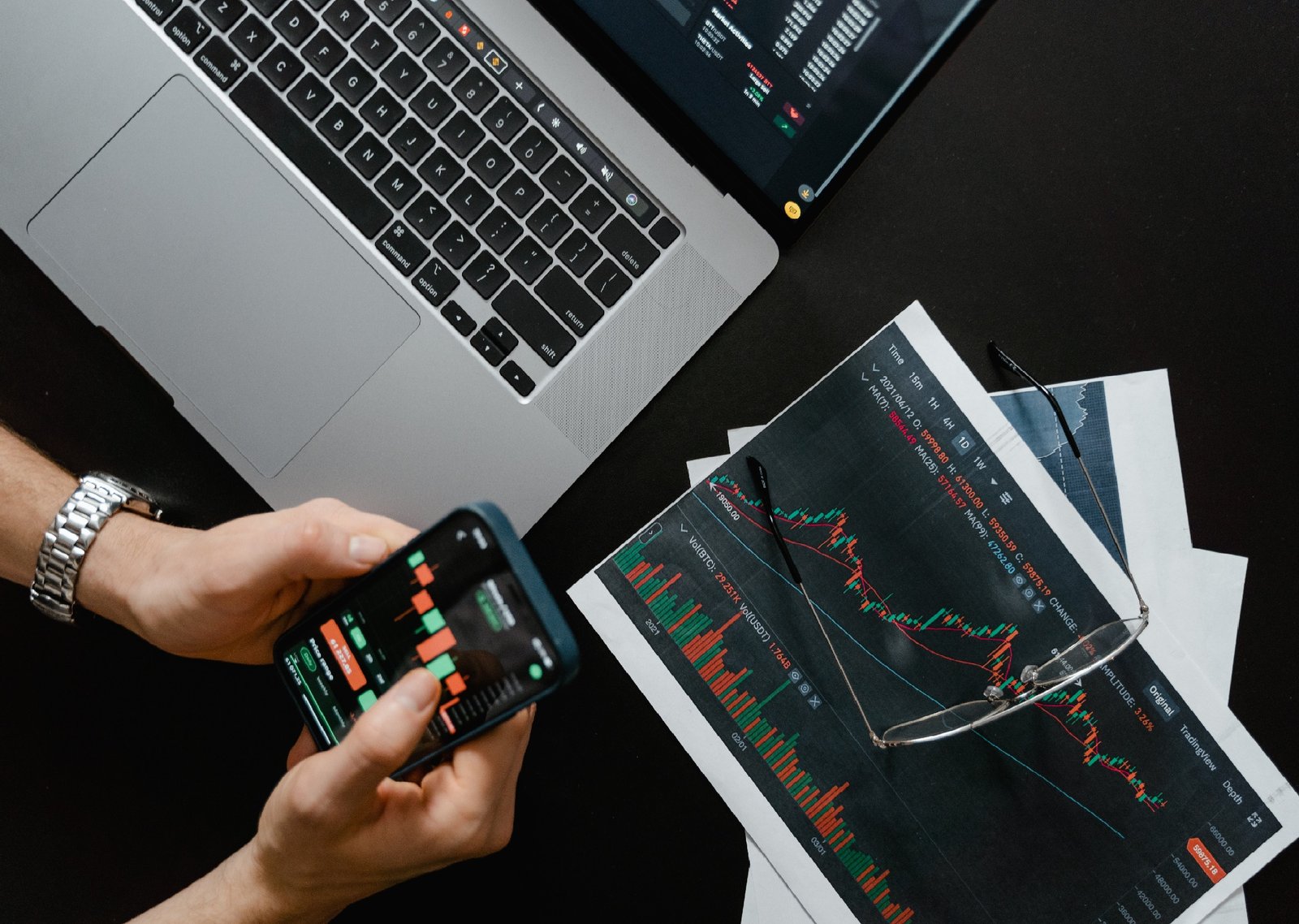
Introduction: In today's fast-paced world, where time and precision play a crucial role in success, leveraging technology has become paramount. This is particularly true in the financial markets, where traders need to make split-second decisions based on accurate and up-to-date information. In this blog post, we will explore the intersection of two seemingly unrelated fields - GPS navigation systems and volatility trading in option trading. Surprisingly, these two concepts share several commonalities and can be utilized synergistically to enhance trading strategies and improve results. 1. GPS Navigation Systems: A Lesson in Accurate Positioning Just as GPS navigation systems provide real-time positioning data to help individuals navigate from one point to another, volatility trading relies on accurate and timely information to make informed trading decisions. GPS systems rely on a network of satellites to determine the user's location, and similarly, volatility traders rely on data from various sources to determine the current market conditions and pinpoint potential trading opportunities. 2. Understanding Volatility Trading Volatility is an essential metric in the options market, representing the magnitude of price fluctuations of an underlying asset. Volatility trading aims to profit from these price fluctuations by buying or selling options contracts. Traders assess the implied volatility of options to gauge market expectations and identify mispricings. Just as GPS systems help drivers choose the most efficient routes, volatility trading helps traders find the most advantageous positions in the options market. 3. Harnessing GPS-like Precision in Option Trading By integrating the characteristics of GPS navigation systems into option trading, traders can enhance their strategies by having a clear roadmap and the ability to react swiftly to market changes. Here's how: a. Accuracy in Data: GPS systems rely on precise and accurate satellite data to determine positions. Similarly, traders need access to accurate market data, historical prices, and volatility metrics to make informed trading decisions. b. Real-time Market Monitoring: GPS systems constantly update location information, and option traders need real-time access to market prices, news, and volatility levels to monitor and respond quickly to changing conditions. c. Strategy Optimization: GPS provides alternative routes in case of unforeseen obstacles. Similarly, traders can explore different options strategies to adapt to changing market conditions and potentially maximize profits while minimizing risks. d. Risk Management: GPS alerts users about upcoming turns and potential hazards. Similarly, traders need risk management tools to set stop-loss orders, implement position-sizing strategies, and avoid taking excessive risks. 4. GPS Navigation Systems and Volatility Trading: A Winning Combination When GPS navigation systems and volatility trading are combined, traders can gain a competitive edge and improve their chances of success in option trading. Here are a few ways in which they can work together: a. Tailored Trading Plans: Just as GPS systems allow users to customize routes, traders can create personalized trading plans to suit their risk appetite, investment goals, and time horizon. b. Enhanced Timing: GPS systems help users time their departures, taking into account traffic patterns and estimated arrival times. Similarly, volatility traders can identify optimal entry and exit points based on historical volatility patterns and anticipated market events. c. Efficient Execution: GPS navigation systems provide turn-by-turn directions, helping users execute their route smoothly. Likewise, traders can execute their trading strategies efficiently by utilizing options trading platforms that offer advanced order types, such as stop-loss and limit orders. Conclusion: The integration of GPS navigation systems and volatility trading in option trading might seem like an unconventional approach, but the underlying principles of accuracy, real-time data, and adaptability connect these seemingly disparate fields. By incorporating GPS-like precision into option trading strategies, traders can navigate the complexities of the options market and potentially improve their trading outcomes. As with any trading approach, thorough research, risk management, and continuous learning are key to achieving consistent success. So, strap in, buckle up, and explore the potential synergy between GPS navigation systems and volatility trading in your options trading journey.
Leave a Comment:
SEARCH
Recent News
- Zurich, Switzerland and Vancouver, Canada are two vibrant cities with distinct characteristics that make them stand out in their respective regions. While Zurich is known for its financial prowess and high quality of life, Vancouver is a bustling hub of business and innovation on the west coast of Canada. Let's take a closer look at how these two cities compare in terms of their business environments.
- Located in the heart of Switzerland, Zurich is known for its stunning natural beauty, bustling city life, and thriving business environment. The city attracts businesses from all over the world, thanks to its robust infrastructure, highly skilled workforce, and favorable economic policies. For UK businesses looking to expand or set up operations in Zurich, there are a number of government business support programs available to help navigate the process.
- Zurich, Switzerland and Tokyo, Japan are two dynamic cities with thriving business scenes. Both cities are prominent global financial centers and are known for their innovation, economic stability, and high quality of life. In this blog post, we will explore the unique business environments in Zurich and Tokyo and compare the two cities in terms of business opportunities, infrastructure, and work culture.
- Zurich, Switzerland and Sydney, Australia are two vibrant business hubs that offer unique experiences for entrepreneurs and professionals alike. From finance and banking to tech startups and creative industries, both cities have established themselves as key players in the global business landscape. Let's take a closer look at what makes Zurich and Sydney standout in the business world.
- Zurich, Switzerland, is a vibrant city known for its scenic beauty, rich history, and thriving business environment. One interesting aspect of Zurich's business landscape is the presence of Sudanese entrepreneurs who have made their mark in various industries in the city.
- Zurich, Switzerland is known for its vibrant small business community, with entrepreneurs driving innovation and growth in various industries. However, starting or expanding a small business often requires financial support in the form of small business loans. These loans can provide the necessary capital for businesses to invest in equipment, hire employees, expand operations, or launch new products or services.
- Zurich, Switzerland is a picturesque city known for its beautiful architecture, vibrant cultural scene, and high quality of life. On the other hand, Shanghai, China is a bustling metropolis that serves as a major financial and business hub in Asia. Let's explore how these two cities compare in terms of business opportunities and what makes them unique in their own ways.
- Zurich, Switzerland and Quebec, Canada are two distinct regions with unique business environments. Let's delve into the differences and similarities when it comes to conducting business in these two locations.
READ MORE
6 months ago Category :

Zurich, Switzerland and Vancouver, Canada are two vibrant cities with distinct characteristics that make them stand out in their respective regions. While Zurich is known for its financial prowess and high quality of life, Vancouver is a bustling hub of business and innovation on the west coast of Canada. Let's take a closer look at how these two cities compare in terms of their business environments.
Read More →6 months ago Category :

Located in the heart of Switzerland, Zurich is known for its stunning natural beauty, bustling city life, and thriving business environment. The city attracts businesses from all over the world, thanks to its robust infrastructure, highly skilled workforce, and favorable economic policies. For UK businesses looking to expand or set up operations in Zurich, there are a number of government business support programs available to help navigate the process.
Read More →6 months ago Category :

Zurich, Switzerland and Tokyo, Japan are two dynamic cities with thriving business scenes. Both cities are prominent global financial centers and are known for their innovation, economic stability, and high quality of life. In this blog post, we will explore the unique business environments in Zurich and Tokyo and compare the two cities in terms of business opportunities, infrastructure, and work culture.
Read More →6 months ago Category :
