Understanding the Key Differences: Electronic Products vs. Option vs. Derivative Trading
Category : | Sub Category : Posted on 2023-10-30 21:24:53
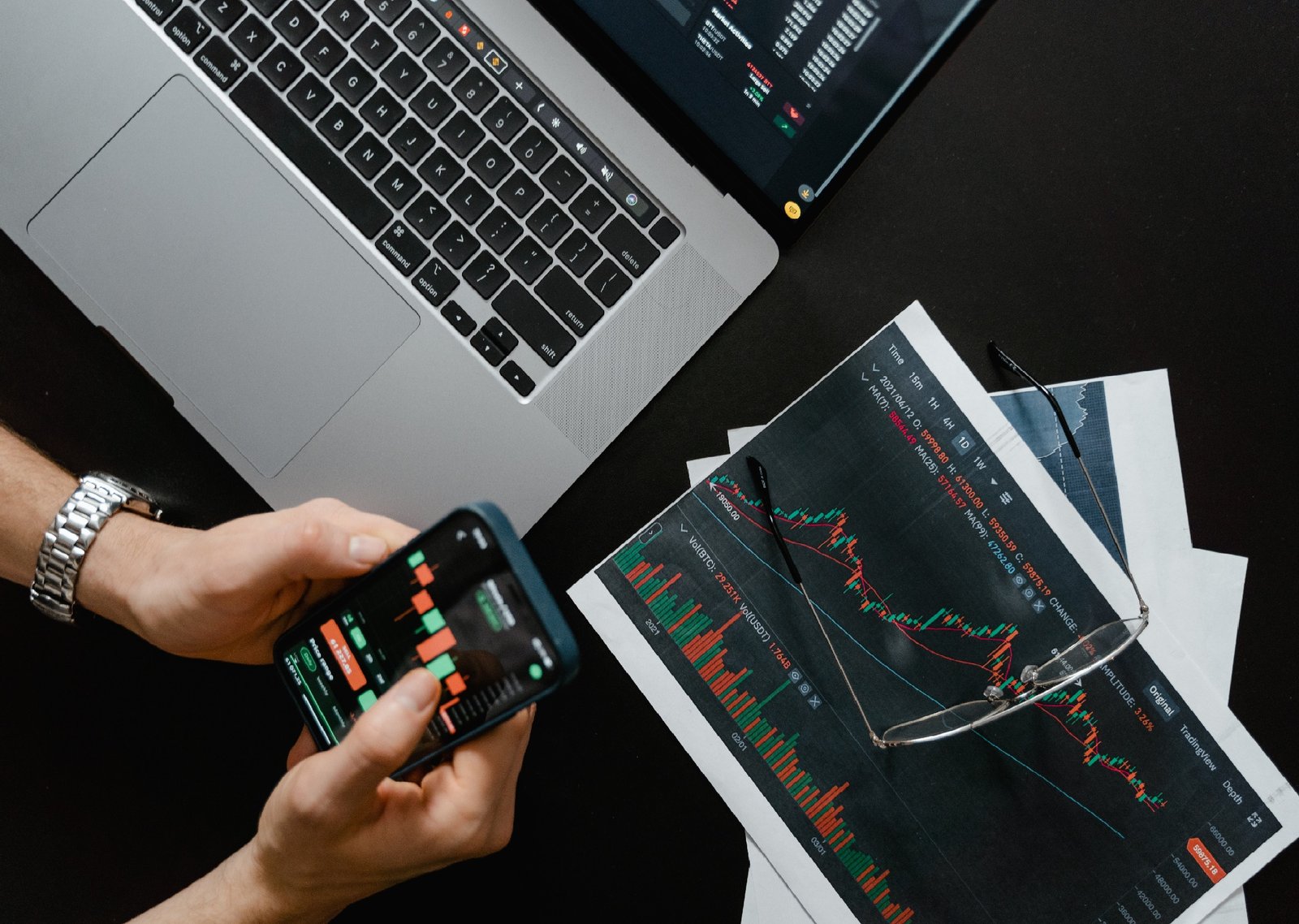
Introduction: In today's rapidly evolving financial landscape, electronic products and various forms of trading instruments have gained immense popularity. Among them are options and derivatives trading. While these terms might sound similar, there are notable differences that traders should be aware of. In this blog post, we will explore the unique characteristics of electronic products, options, and derivatives trading, shedding light on how they differ and how they complement each other in modern investment strategies. Electronic Products: Electronic products, also known as electronic marketplaces, have revolutionized the way financial instruments are exchanged. Unlike traditional trading, which required physical presence on the trading floor, electronic products offer traders the convenience of conducting transactions digitally. Equities, fixed-income securities, currencies, and commodities are just a few examples of the wide range of financial instruments that can be bought and sold electronically. Electronic products allow for transparent and efficient price discovery. Traders can access real-time data, execute trades with minimal latency, and benefit from a broader range of participants in the market. Furthermore, electronic products provide investors with the opportunity to diversify their portfolios by trading across multiple asset classes and global markets, all from the comfort of their screens. Options Trading: Options trading is a specific type of trading instrument that provides the right, but not the obligation, to buy or sell an underlying asset at a predetermined price (known as the strike price) within a specific time period. Options can be based on various assets, such as stocks, commodities, or indices. They are traded on options exchanges, which are often electronically operated platforms. One key characteristic of options trading is leverage. By purchasing options, traders can control a larger position in the underlying asset with a relatively smaller investment. Options also enable investors to hedge their positions, manage risk, and generate potential profits through speculation. However, it's important to note that options trading involves risks, and it's crucial for traders to understand the intricacies of these contracts before engaging in this type of trading. Derivatives Trading: Derivatives trading encompasses a wider spectrum of financial instruments than options alone. A derivative is a contract whose price is derived from an underlying asset, such as stocks, bonds, commodities, or indices. This form of trading allows investors to speculate on price movements without actually owning the underlying asset. Like options trading, derivatives are typically traded on electronic exchanges, benefiting from the speed, efficiency, and accessibility of electronic marketplaces. Derivatives trading offers different instruments, such as futures contracts, forward contracts, swaps, and more, each serving specific purposes in managing risk or trading strategies. Similar to options, derivatives trading provides leverage, allowing traders to gain exposure to larger positions with a smaller upfront investment. However, it's important to maintain a thorough understanding of the risks associated with derivatives trading, as they can be complex and require a deep understanding of market dynamics. Conclusion: Electronic products, options, and derivatives trading present unique opportunities for market participants. While electronic products provide a convenient and efficient way to trade a wide array of financial instruments, options and derivatives trading offer leverage and flexibility for investors and traders seeking exposure to specific assets and price movements. Understanding the fundamental differences between electronic products, options, and derivatives is essential to creating well-rounded investment strategies and managing risk effectively. As with any form of investing, it's important to thoroughly educate yourself, seek professional advice, and maintain an ongoing awareness of market trends and regulations before engaging in electronic products, options, or derivatives trading. By staying informed, being disciplined, and continuously expanding your knowledge, you can make informed decisions and potentially reap the rewards of this exciting and dynamic sector of the financial markets. Explore this subject further for a deeper understanding. http://www.wootalyzer.com
Leave a Comment:
SEARCH
Recent News
- Zurich, Switzerland and Vancouver, Canada are two vibrant cities with distinct characteristics that make them stand out in their respective regions. While Zurich is known for its financial prowess and high quality of life, Vancouver is a bustling hub of business and innovation on the west coast of Canada. Let's take a closer look at how these two cities compare in terms of their business environments.
- Located in the heart of Switzerland, Zurich is known for its stunning natural beauty, bustling city life, and thriving business environment. The city attracts businesses from all over the world, thanks to its robust infrastructure, highly skilled workforce, and favorable economic policies. For UK businesses looking to expand or set up operations in Zurich, there are a number of government business support programs available to help navigate the process.
- Zurich, Switzerland and Tokyo, Japan are two dynamic cities with thriving business scenes. Both cities are prominent global financial centers and are known for their innovation, economic stability, and high quality of life. In this blog post, we will explore the unique business environments in Zurich and Tokyo and compare the two cities in terms of business opportunities, infrastructure, and work culture.
- Zurich, Switzerland and Sydney, Australia are two vibrant business hubs that offer unique experiences for entrepreneurs and professionals alike. From finance and banking to tech startups and creative industries, both cities have established themselves as key players in the global business landscape. Let's take a closer look at what makes Zurich and Sydney standout in the business world.
- Zurich, Switzerland, is a vibrant city known for its scenic beauty, rich history, and thriving business environment. One interesting aspect of Zurich's business landscape is the presence of Sudanese entrepreneurs who have made their mark in various industries in the city.
- Zurich, Switzerland is known for its vibrant small business community, with entrepreneurs driving innovation and growth in various industries. However, starting or expanding a small business often requires financial support in the form of small business loans. These loans can provide the necessary capital for businesses to invest in equipment, hire employees, expand operations, or launch new products or services.
- Zurich, Switzerland is a picturesque city known for its beautiful architecture, vibrant cultural scene, and high quality of life. On the other hand, Shanghai, China is a bustling metropolis that serves as a major financial and business hub in Asia. Let's explore how these two cities compare in terms of business opportunities and what makes them unique in their own ways.
- Zurich, Switzerland and Quebec, Canada are two distinct regions with unique business environments. Let's delve into the differences and similarities when it comes to conducting business in these two locations.
READ MORE
6 months ago Category :

Zurich, Switzerland and Vancouver, Canada are two vibrant cities with distinct characteristics that make them stand out in their respective regions. While Zurich is known for its financial prowess and high quality of life, Vancouver is a bustling hub of business and innovation on the west coast of Canada. Let's take a closer look at how these two cities compare in terms of their business environments.
Read More →6 months ago Category :

Located in the heart of Switzerland, Zurich is known for its stunning natural beauty, bustling city life, and thriving business environment. The city attracts businesses from all over the world, thanks to its robust infrastructure, highly skilled workforce, and favorable economic policies. For UK businesses looking to expand or set up operations in Zurich, there are a number of government business support programs available to help navigate the process.
Read More →6 months ago Category :

Zurich, Switzerland and Tokyo, Japan are two dynamic cities with thriving business scenes. Both cities are prominent global financial centers and are known for their innovation, economic stability, and high quality of life. In this blog post, we will explore the unique business environments in Zurich and Tokyo and compare the two cities in terms of business opportunities, infrastructure, and work culture.
Read More →6 months ago Category :
