Unleashing the Power of Option Trading Strategies During Elections
Category : | Sub Category : Posted on 2023-10-30 21:24:53
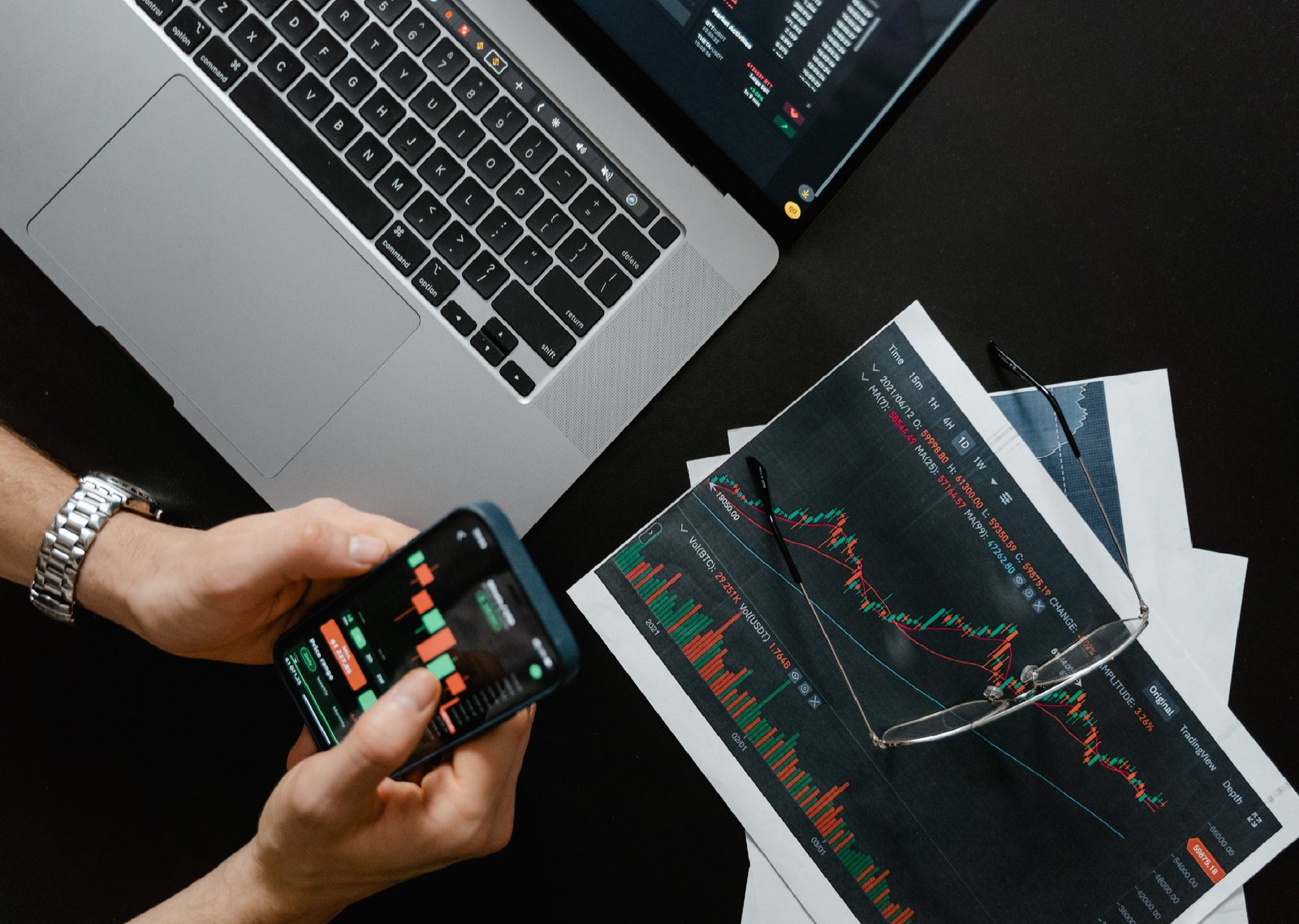
Introduction: As election seasons roll around, financial markets become increasingly volatile as investors navigate through uncertain political landscapes. However, for those astute traders with a solid understanding of option trading strategies, elections can present unique opportunities for profit. In this blog post, we will explore how option trading strategies can be leveraged during election periods to mitigate risk and optimize returns. 1. Understanding Option Trading Basics: Before diving into specific option trading strategies, it's essential to grasp the fundamentals. Options are derivative contracts that give traders the right, but not the obligation, to buy (call option) or sell (put option) a specific financial instrument at a predetermined price within a specified time frame. Understanding the various components of options, such as strike prices, expiration dates, and implied volatility, is crucial to implementing successful trading strategies. 2. Volatility as an Opportunity: Elections often introduce heightened uncertainty, leading to increased market volatility. Option traders can capitalize on this volatility through strategies such as buying straddles or strangles. These strategies involve purchasing both call and put options with the same expiration date and strike price, allowing traders to profit regardless of whether the market moves up or down significantly. Volatility can lead to substantial price fluctuations, making these strategies particularly attractive during election cycles. 3. Speculative Trading on Election Outcomes: Option traders can also employ speculative strategies based on their predictions of election results. For example, they may purchase call options on stocks or market indices they believe will benefit from a particular candidate's victory or put options on those they anticipate will face challenges. While this approach carries higher risk, it can yield substantial returns if the trader correctly predicts the outcome of the election. 4. Hedging Against Political Risk: Elections introduce a unique set of uncertainties, making it necessary for investors to protect their portfolios from potential downside risks. Option trading strategies like protective puts or collar trades provide a way to hedge against adverse movements in individual stocks or the overall market. By purchasing put options, traders can limit potential losses if the market experiences a significant downturn due to election-related factors. 5. Capitalizing on Volatility Crush: Once the election results are announced, volatility can swiftly decline, leading to a phenomenon known as "volatility crush." Traders can take advantage of this situation by implementing options strategies that profit from declining volatility. For instance, writing covered calls against existing stock positions can generate income while benefiting from reduced volatility levels. Conclusion: Elections can be viewed as a double-edged sword for investors. While they introduce uncertainty and heightened market volatility, those armed with a comprehensive understanding of option trading strategies can seize the opportunities presented. By utilizing options to speculate, hedge, and profit from volatility, traders can navigate the election-induced market fluctuations and capitalize on their insights. Disclaimer: Option trading involves risks, and individuals should thoroughly educate themselves or consult with a financial advisor before engaging in these strategies. Visit the following website http://www.electiontimeline.com
Leave a Comment:
SEARCH
Recent News
- Zurich, Switzerland and Vancouver, Canada are two vibrant cities with distinct characteristics that make them stand out in their respective regions. While Zurich is known for its financial prowess and high quality of life, Vancouver is a bustling hub of business and innovation on the west coast of Canada. Let's take a closer look at how these two cities compare in terms of their business environments.
- Located in the heart of Switzerland, Zurich is known for its stunning natural beauty, bustling city life, and thriving business environment. The city attracts businesses from all over the world, thanks to its robust infrastructure, highly skilled workforce, and favorable economic policies. For UK businesses looking to expand or set up operations in Zurich, there are a number of government business support programs available to help navigate the process.
- Zurich, Switzerland and Tokyo, Japan are two dynamic cities with thriving business scenes. Both cities are prominent global financial centers and are known for their innovation, economic stability, and high quality of life. In this blog post, we will explore the unique business environments in Zurich and Tokyo and compare the two cities in terms of business opportunities, infrastructure, and work culture.
- Zurich, Switzerland and Sydney, Australia are two vibrant business hubs that offer unique experiences for entrepreneurs and professionals alike. From finance and banking to tech startups and creative industries, both cities have established themselves as key players in the global business landscape. Let's take a closer look at what makes Zurich and Sydney standout in the business world.
- Zurich, Switzerland, is a vibrant city known for its scenic beauty, rich history, and thriving business environment. One interesting aspect of Zurich's business landscape is the presence of Sudanese entrepreneurs who have made their mark in various industries in the city.
- Zurich, Switzerland is known for its vibrant small business community, with entrepreneurs driving innovation and growth in various industries. However, starting or expanding a small business often requires financial support in the form of small business loans. These loans can provide the necessary capital for businesses to invest in equipment, hire employees, expand operations, or launch new products or services.
- Zurich, Switzerland is a picturesque city known for its beautiful architecture, vibrant cultural scene, and high quality of life. On the other hand, Shanghai, China is a bustling metropolis that serves as a major financial and business hub in Asia. Let's explore how these two cities compare in terms of business opportunities and what makes them unique in their own ways.
- Zurich, Switzerland and Quebec, Canada are two distinct regions with unique business environments. Let's delve into the differences and similarities when it comes to conducting business in these two locations.
READ MORE
6 months ago Category :

Zurich, Switzerland and Vancouver, Canada are two vibrant cities with distinct characteristics that make them stand out in their respective regions. While Zurich is known for its financial prowess and high quality of life, Vancouver is a bustling hub of business and innovation on the west coast of Canada. Let's take a closer look at how these two cities compare in terms of their business environments.
Read More →6 months ago Category :

Located in the heart of Switzerland, Zurich is known for its stunning natural beauty, bustling city life, and thriving business environment. The city attracts businesses from all over the world, thanks to its robust infrastructure, highly skilled workforce, and favorable economic policies. For UK businesses looking to expand or set up operations in Zurich, there are a number of government business support programs available to help navigate the process.
Read More →6 months ago Category :

Zurich, Switzerland and Tokyo, Japan are two dynamic cities with thriving business scenes. Both cities are prominent global financial centers and are known for their innovation, economic stability, and high quality of life. In this blog post, we will explore the unique business environments in Zurich and Tokyo and compare the two cities in terms of business opportunities, infrastructure, and work culture.
Read More →6 months ago Category :
