Revolutionizing Option Trading Risk Management with Autonomous Robotics
Category : | Sub Category : Posted on 2023-10-30 21:24:53
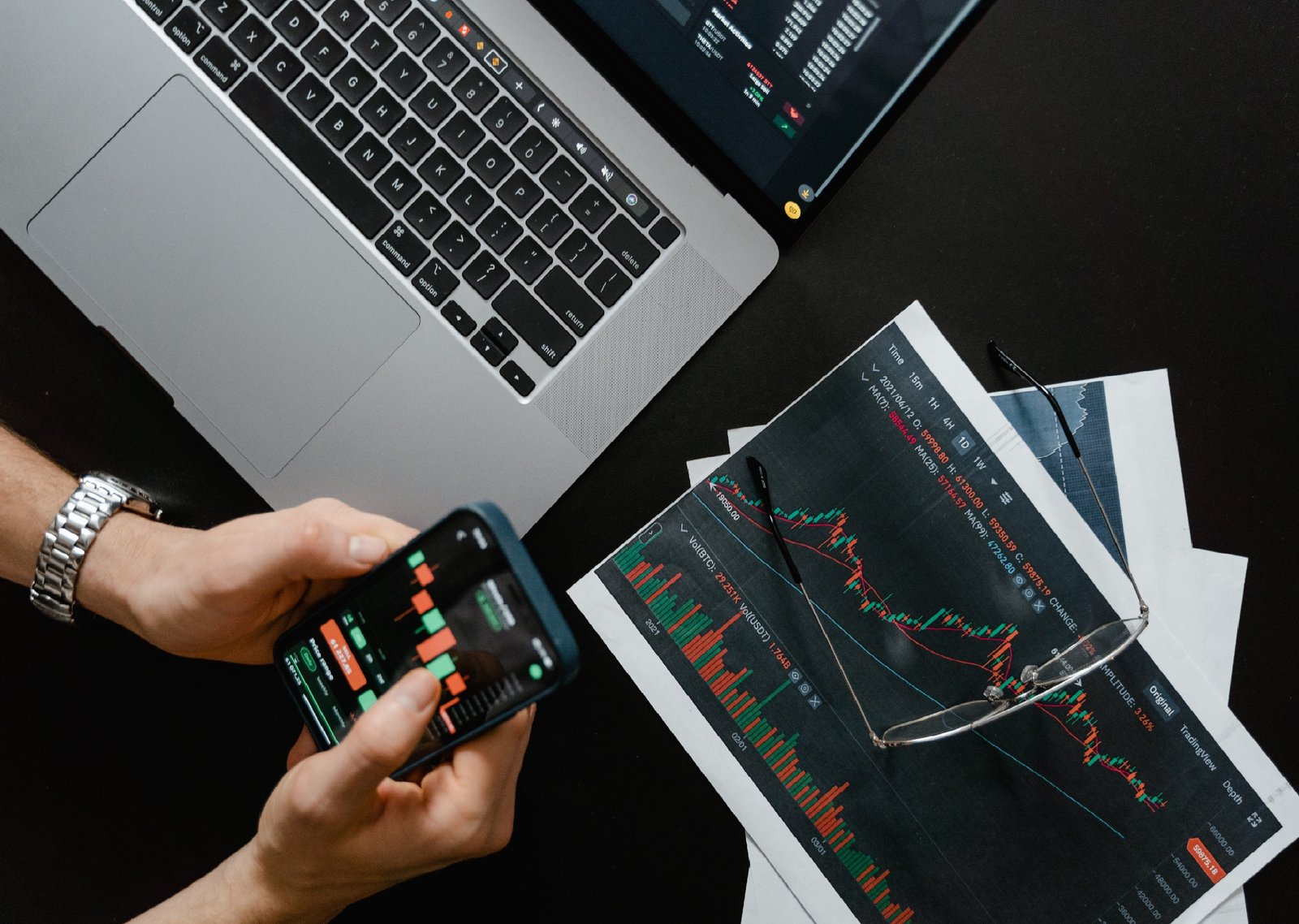
Introduction: In recent years, the world of finance has witnessed remarkable technological advancements, empowering traders and investors with cutting-edge tools and strategies. One such innovation that holds incredible potential is the application of autonomous robotics in option trading risk management. This fusion of artificial intelligence, machine learning, and robotics can revolutionize the way traders navigate the complexities of option trading and ensure more informed and efficient risk management. In this blog post, we will explore the concept of autonomous robotics in option trading risk management, its benefits, and its potential implications for the future of finance. Understanding Option Trading Risk Management: In the world of options trading, risk management plays a pivotal role in ensuring profitable outcomes. Options contracts give traders the right, but not the obligation, to buy or sell a particular asset at a predetermined price within a specified timeframe. However, options trading can be highly complex and involves various risks, such as price volatility, market risks, and timing risks. Effectively identifying and managing these risks is crucial to success in option trading. The Role of Autonomous Robotics: Autonomous robotics, with its ability to process vast amounts of data and make real-time decisions, can significantly enhance risk management strategies in option trading. By leveraging advanced algorithms, machine learning, and high-frequency data analysis, autonomous robots can identify patterns and trends that humans might overlook. These robots can monitor market conditions, analyze historical data, and assess the potential impact of various risk factors on option trades in milliseconds. Benefits of Autonomous Robotics in Option Trading Risk Management: 1. Speed and Efficiency: Autonomous robots can swiftly analyze large sets of data and execute trades with minimal latency, allowing traders to respond to market fluctuations promptly. This improved efficiency can help reduce losses and capitalize on profitable opportunities. 2. Enhanced Accuracy: The integration of artificial intelligence and machine learning algorithms enables autonomous robots to identify previously unseen patterns and anticipate potential risks more accurately. Traders can make informed decisions based on comprehensive and reliable data analysis, reducing the likelihood of errors caused by human emotions or biases. 3. Adaptability to Changing Market Conditions: Autonomous robots continuously learn from market behavior, adapting their strategies to changing market conditions. With the ability to update their risk management protocols in real-time, these robots can dynamically respond to unforeseen events, minimizing potential losses. Implications for the Future: The implementation of autonomous robotics in option trading risk management could disrupt the traditional financial landscape. It has the potential to democratize access to sophisticated risk management techniques, creating opportunities for both institutional and retail traders. However, it also raises important ethical and regulatory considerations, as the increased automation may come at the cost of human involvement and oversight. Conclusion: Autonomous robotics presents an exciting frontier in option trading risk management. By harnessing the power of advanced technologies, traders can enhance their decision-making capabilities and mitigate risks more effectively. As autonomous robotics continues to evolve, its integration into option trading processes will redefine the way traders approach risk management, setting new standards in speed, accuracy, and adaptability. Nevertheless, it is crucial to strike a balance between automation and human involvement, ensuring that ethical considerations and regulatory frameworks keep pace with these remarkable advancements. Explore expert opinions in http://www.pxrobotics.com
Leave a Comment:
SEARCH
Recent News
- Zurich, Switzerland and Vancouver, Canada are two vibrant cities with distinct characteristics that make them stand out in their respective regions. While Zurich is known for its financial prowess and high quality of life, Vancouver is a bustling hub of business and innovation on the west coast of Canada. Let's take a closer look at how these two cities compare in terms of their business environments.
- Located in the heart of Switzerland, Zurich is known for its stunning natural beauty, bustling city life, and thriving business environment. The city attracts businesses from all over the world, thanks to its robust infrastructure, highly skilled workforce, and favorable economic policies. For UK businesses looking to expand or set up operations in Zurich, there are a number of government business support programs available to help navigate the process.
- Zurich, Switzerland and Tokyo, Japan are two dynamic cities with thriving business scenes. Both cities are prominent global financial centers and are known for their innovation, economic stability, and high quality of life. In this blog post, we will explore the unique business environments in Zurich and Tokyo and compare the two cities in terms of business opportunities, infrastructure, and work culture.
- Zurich, Switzerland and Sydney, Australia are two vibrant business hubs that offer unique experiences for entrepreneurs and professionals alike. From finance and banking to tech startups and creative industries, both cities have established themselves as key players in the global business landscape. Let's take a closer look at what makes Zurich and Sydney standout in the business world.
- Zurich, Switzerland, is a vibrant city known for its scenic beauty, rich history, and thriving business environment. One interesting aspect of Zurich's business landscape is the presence of Sudanese entrepreneurs who have made their mark in various industries in the city.
- Zurich, Switzerland is known for its vibrant small business community, with entrepreneurs driving innovation and growth in various industries. However, starting or expanding a small business often requires financial support in the form of small business loans. These loans can provide the necessary capital for businesses to invest in equipment, hire employees, expand operations, or launch new products or services.
- Zurich, Switzerland is a picturesque city known for its beautiful architecture, vibrant cultural scene, and high quality of life. On the other hand, Shanghai, China is a bustling metropolis that serves as a major financial and business hub in Asia. Let's explore how these two cities compare in terms of business opportunities and what makes them unique in their own ways.
- Zurich, Switzerland and Quebec, Canada are two distinct regions with unique business environments. Let's delve into the differences and similarities when it comes to conducting business in these two locations.
READ MORE
11 months ago Category :

Zurich, Switzerland and Vancouver, Canada are two vibrant cities with distinct characteristics that make them stand out in their respective regions. While Zurich is known for its financial prowess and high quality of life, Vancouver is a bustling hub of business and innovation on the west coast of Canada. Let's take a closer look at how these two cities compare in terms of their business environments.
Read More →11 months ago Category :

Located in the heart of Switzerland, Zurich is known for its stunning natural beauty, bustling city life, and thriving business environment. The city attracts businesses from all over the world, thanks to its robust infrastructure, highly skilled workforce, and favorable economic policies. For UK businesses looking to expand or set up operations in Zurich, there are a number of government business support programs available to help navigate the process.
Read More →11 months ago Category :

Zurich, Switzerland and Tokyo, Japan are two dynamic cities with thriving business scenes. Both cities are prominent global financial centers and are known for their innovation, economic stability, and high quality of life. In this blog post, we will explore the unique business environments in Zurich and Tokyo and compare the two cities in terms of business opportunities, infrastructure, and work culture.
Read More →11 months ago Category :
